




die Qualität der gelieferten Produkte sind sehr gut. Das Bestellen und liefern war problemlos, sehr schnell und das Personal sehr freundlich.
Porcellio laevis “Orange”
Sale price
€11,99
Tax included
Shipping calculated at checkout
Benefits at a Glance
- 10 animals + 1 free to start with
- For Isopod Boxes & Bioactive Terrariums
- Great addition to your floor police
Porcellio laevis “Orange”
The orange colour stands out against dark substrate. These active isopods can breed readily under suitable conditions. A dedicated culture box makes it easy to follow their feeding behaviour and colony growth.
Housing and setup
Use loose, humus-rich substrate topped with leaf litter, white-rotted wood and bark or cork shelters. Keep one corner permanently moist and allow the rest to dry slightly. Good ventilation and a choice of wetter and drier areas are both important.
Suggested care range: around 22–26 °C. Check the temperature where the animals live and avoid direct sunlight.
Feeding and useful accessories
Leaf litter and white-rotted wood should always be available. Offer our Premium Isopod Food in small portions at a fixed feeding spot. A isopod feeding dish makes leftovers easier to find and remove. Provide a calcium source such as cuttlebone pieces. Offer fresh food sparingly and remove uneaten portions promptly.
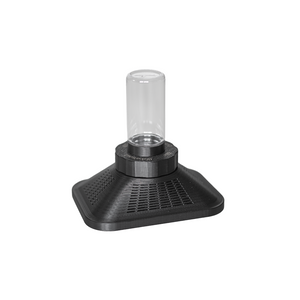
Choose the XL isopod feeding dish for more feeding space, or the double isopod feeding dish to offer food and minerals separately.
Breeding
Temperature, food and moisture influence colony growth. Allow new arrivals time to settle and disturb shelters as little as possible. Juveniles also need access to a moist area, leaf litter and calcium.
The 11 L isopod box with four ventilation panels provides room for substrate, shelters and separate moisture zones. The Isopod Starter Set includes an XL feeding dish, so an additional dish is not automatically needed.
What's included
10 animals + 1 free animal of the species or colour form offered here. Food, dishes, enclosure and decorations are sold separately. Colour and size may vary.
Practical tip
Moisten the retreat rather than the entire enclosure. When feeding, also check that this corner is still moist enough.
Care and use notes
Live animals for terrarium keeping, not for human consumption. Prepare their enclosure before arrival and check the animals on receipt. Children should only help under supervision; keep the enclosure securely out of their reach. Before mixing species, check that climate, space and all animals' needs are compatible.
Frequently asked questions
What temperature does this isopod need?
Use around 22–26 °C as a guide. The moisture gradient, shelters and ventilation described above are also important.
What should I feed the colony?
Keep leaf litter and white-rotted wood available. Offer small portions of isopod food and provide a calcium source. Adjust the amount to what the colony eats.
Can I use these isopods as a cleanup crew?
Isopods break down organic matter, but this does not make them suitable for every mixed enclosure. Assess the particular species combination and care conditions. A separate culture is useful for observation and breeding.
How many animals will I receive?
The culture contains 10 animals plus 1 free animal. Accessories shown are not included.
What should I check as an Orange colony grows?
Check that there is enough leaf litter, shelter and floor space. Adjust food portions to actual consumption; more animals do not justify leaving uneaten food indefinitely.
Blog posts
BioFaunaCube: Modular terrarium for keeping and breeding
BioFaunaCube at a glance: Which size fits your project, how does the modular system work, and which accessories make sense?
Read more
When the Terrarium Turns Into a Dollhouse: Why Kitschy Mini-Furniture, 3D Trees, Backdrops & More Can Harm Animals
Animals are living beings, not accessories. Yet, more and more products on the market resemble items meant for a dol...
Read more
Breeding Drosophila: Guide to Stable Cultures
Drosophila breeding made easy: How to set up fruit fly cultures cleanly, organize them sensibly, and feed them in a controlled way.
Read more