When the Terrarium Turns Into a Dollhouse: Why Kitschy Mini-Furniture, 3D Trees, Backdrops & More Can Harm Animals
Jan 19, 2025

Animals are living beings, not accessories. Yet more and more products on the market resemble a dollhouse: tiny “armchairs”, colourful “suspension bridges”, eye-catching “mushroom houses” or 3D-printed “trees”, branches and even backdrops in bizarre shapes and colours. What may seem fun or decorative to us often fits poorly with the natural habitats of jumping spiders, mantises & co. — and can even harm them over time.
A paradox: dollhouse decorations for spiders
People usually keep spiders because they are fascinated by their natural behaviour, not to place them like toy figures in a fantasy world. Brightly printed “benches” or over-the-top “swing chairs” offer a jumping spider no real benefit. They disrupt its orientation and can unsettle it instead of providing shelter and peace.
3D-printed trees and backdrops instead of real structures
A particularly noticeable trend is using 3D printing instead of real wood or cork: futuristic “trees”, branches or even backdrops in garish colours and shapes. What seems modern to us often looks like an alien landscape to a sensitive animal. A jumping spider, for example, looks for surfaces with grip and natural angles that support climbing. Artificial patterns and gradients in bright colours, with glitter and similar effects, can be confusing and cause stress.
Stress instead of security
A terrarium full of bright colours, plastic furniture or exaggerated decorations may look “cool” to people, but spiders and insects are highly sensitive creatures. They focus on finding hiding places and secure climbing surfaces. When garish colours and fanciful shapes dominate everywhere, they lack clear signals about where they can settle. This can lead to insecurity and sensory overload.
A dollhouse for the eye — but what does it offer the animal?
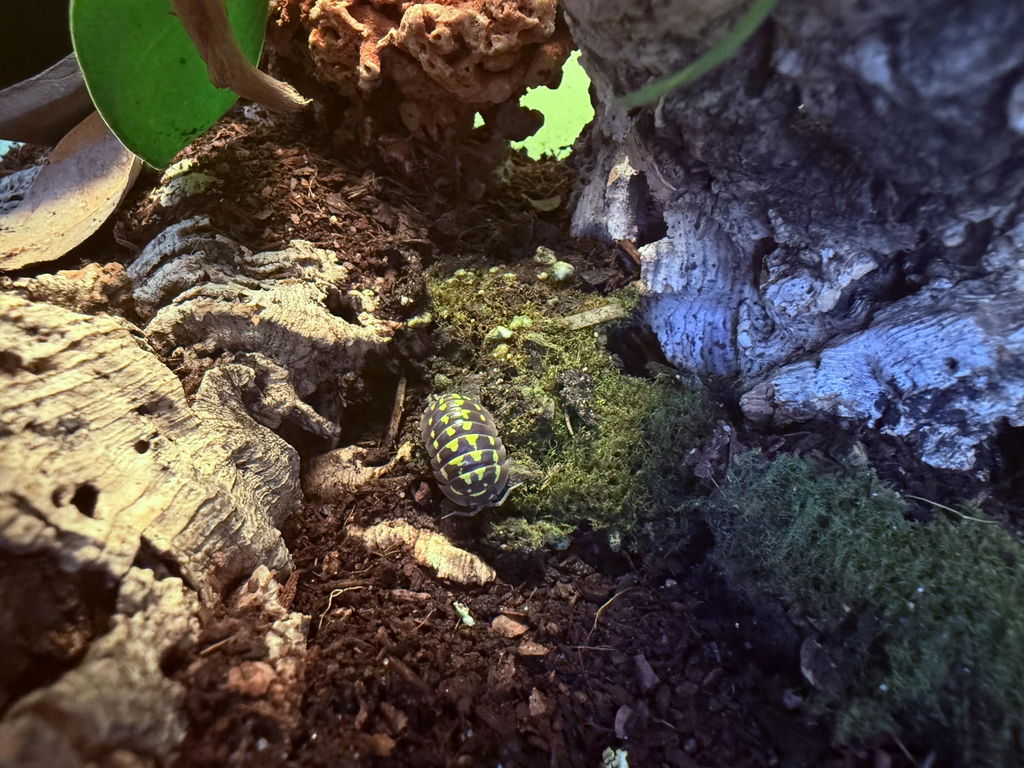
Suspension bridges, miniature swings or 3D backdrops resembling an amusement park often appeal only to the human eye. From the animals’ perspective, what really matters is missing: natural surfaces suitable for climbing, organic hiding places and a climate reminiscent of their familiar habitat. Materials in earthy colours, real wood, cork and natural plants create an environment where small animals can express their natural behaviour.
Responsibility instead of a decorating obsession!
A terrarium is not a showroom, but the home of a living being. Anyone keeping jumping spiders or other small animals should remember that their needs come first, not our urge to decorate. In fact, many animals only display their fascinating behaviour when they live in surroundings that resemble their natural structures and colour ranges.
A call for common sense — respect nature and its inhabitants
Jumping spiders & co. come from real habitats with wood, soil and subtle colours. They deserve species-appropriate care instead of a dollhouse in garish shades. Choosing minimalism and real natural materials, or discreet, functional accessories, gives animals greater peace and secure hiding places. Ultimately, it is about showing living beings the respect they deserve: with a terrarium that reflects their original habitat rather than imposing an artificial playground on them.